
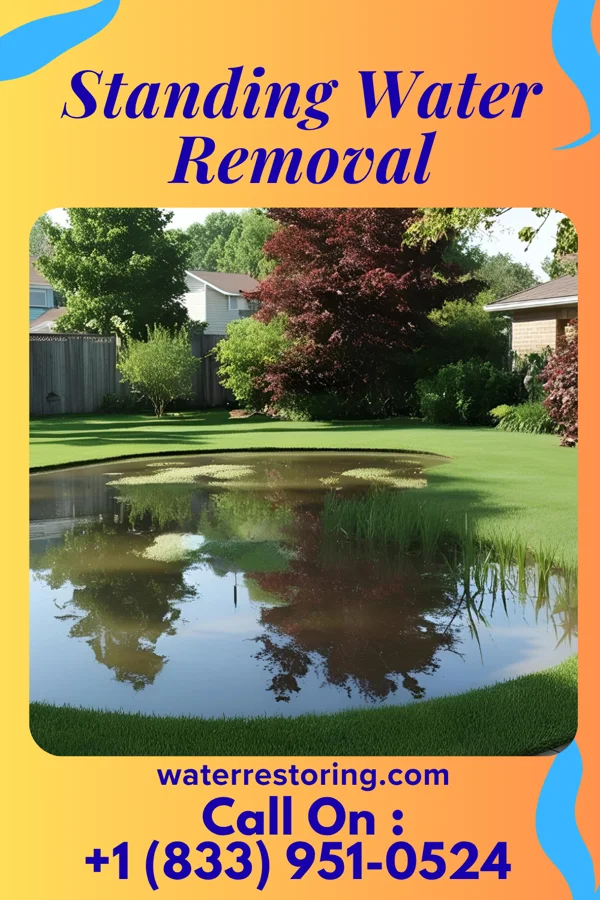
Why Laurel Lake Sees Standing Water Often
The pattern in Laurel Lake is consistent. Laurel Lake, New Jersey is prone to water damage due to its location near the Delaware River and frequent heavy rainfall events that can lead to localized flooding. Additionally, the area's rural setting means that drainage systems may not be as developed as in more urban areas, increasing the risk of standing water accumulation. drives most of the emergency restoration calls we get. A close second is Another common cause of water damage in Laurel Lake is leaking septic tanks, which can lead to wastewater infiltration in residential properties. Additionally, the area's proximity to agricultural land can result in runoff from fertilizers and chemicals that may seep into homes or damage landscaping..
The region experiences a humid continental climate with significant precipitation, particularly during the spring and early summer months. This increases the likelihood of water intrusion in homes, especially during periods of heavy thunderstorms or prolonged rain events.
The region experiences a humid continental climate with significant precipitation, particularly during the spring and early summer months. This increases the likelihood of water intrusion in homes, especially during periods of heavy thunderstorms or prolonged rain events. The dominant local driver is Laurel Lake, New Jersey is prone to water damage due to its location near the Delaware River and frequent heavy rainfall events that can lead to localized flooding. Additionally, the area's rural setting means that drainage systems may not be as developed as in more urban areas, increasing the risk of standing water accumulation., with Another common cause of water damage in Laurel Lake is leaking septic tanks, which can lead to wastewater infiltration in residential properties. Additionally, the area's proximity to agricultural land can result in runoff from fertilizers and chemicals that may seep into homes or damage landscaping. showing up as the next most common cause. Damage builds in stages. Spread. Absorption. Microbial growth. Structural compromise. Every stage you pass through adds to the final bill.
For public guidance on the health effects of mold after prolonged water exposure, see the EPA mold and health page.